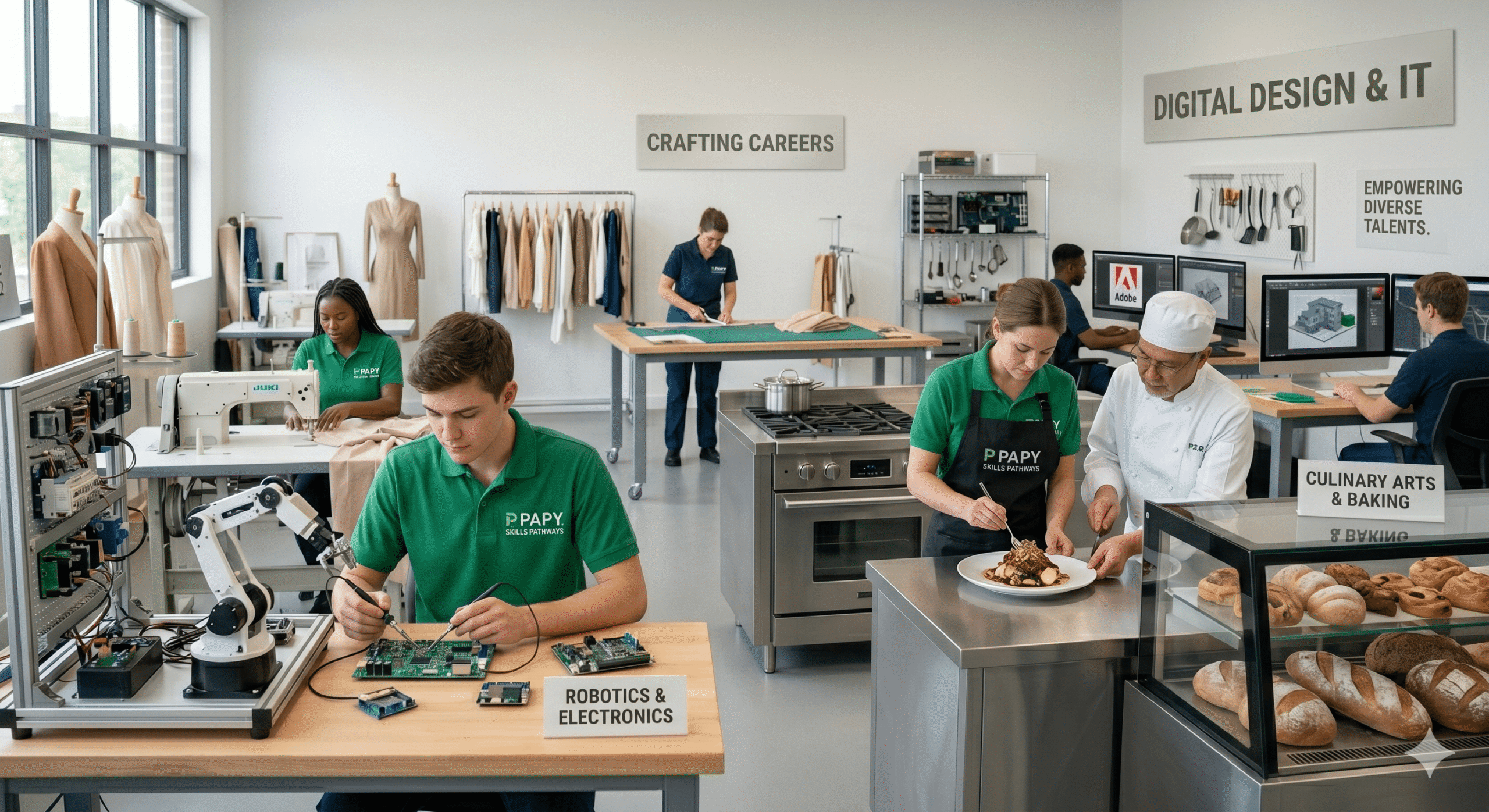
PAPY is loosely based on the Igbo Apprenticeship System known as Nwa Boy System which has been heralded by Harvard Business Review as ‘a Nigerian model for stakeholder capitalism’. It is a structured youth empowerment program focused on eradicating poverty among male and female youth aged 16 to 25 through intensive vocational skills training, business establishment support, and sustained mentorship.
1. Program Overview
The program is designed to train both male and female youth for a period of two (2) years in practical, vocational, entrepreneurial, and leadership skills. After the training period, participants will receive support to establish their own businesses and remain under professional mentorship for an additional one (1) year to ensure sustainability, productivity, and long-term success.
2. Vision Statement
To create financially independent youth who can contribute positively to society through sustainable businesses and productive economic activities.
3. Mission Statement
To eradicate poverty among youth by providing long-term training, startup support, and mentorship through a proven productivity system.
4. Program Objectives
• Train participants in vocational, entrepreneurial and life skills through TWPF partners
• Equip participants with knowledge for self-reliance and financial independence
• Provide startup support/business establishment opportunities for successful participants
• Offer one year of continuous mentorship after business startup
• Ensure participants operate within an established and tested productivity system
• Reduce unemployment, poverty, and social dependency among youth
5. Training Structure
The training phase will last for two years and will include:
A. Vocational Skills Training
– Fashion and Tailoring
– Catering and Food Processing
– ICT and Digital Skills
– Agriculture and Agribusiness
– Hair Styling
– Auto Mechanics
– Craftsmanship and Technical Skills
– Nursing Aid
– Teacher Aid
B. Entrepreneurship Development
– Business Planning
– Financial Management
– Marketing and Branding
– Customer Relations
C. Personal Development
– Leadership Training
– Communication Skills
– Discipline and Productivity
– Teamwork and Responsibility
6. Business Startup Support
At the completion of the two-year training period, qualified participants will receive support to establish their own businesses. This may include:
• Startup equipment or tools
• Financial support or grants
• Access to business networks and markets
• Business registration guidance
• Operational support during the early stages of business development
7. Mentorship and Productivity System
After establishing their businesses, beneficiaries will remain under mentorship for one additional year. The mentor already operates an existing and effective productivity system that has demonstrated positive results in business growth, accountability, discipline, and sustainability.
This mentorship structure will:
• Guide participants through real business challenges
• Monitor productivity and progress
• Provide continuous coaching and evaluation
• Ensure businesses remain profitable and sustainable
• Connect participants to opportunities and partnerships
8. Expected Outcomes
• Reduction in youth poverty and unemployment
• Creation of sustainable youth-owned businesses
• Increased productivity and economic participation among youth
• Improved confidence, leadership, and self-reliance
• Strong mentorship relationships that promote long-term success
9. Conclusion
This program provides a practical and sustainable solution to youth poverty by combining long-term training, business startup support, and structured mentorship. Through the mentor’s existing productivity system, participants will gain access to guidance, experience, and operational structures necessary for successful business growth and financial stability.